
Electrical & Generator Services
248-206-3787sales@clutchdd.com
Brassbolt Electric & GeneratorGet In Touch
Electrical and property planning

Standby Generators

Standby Generators

Explore standby generator options with realistic load priorities, site planning, fuel requirements, and transfer equipment.

Plan For The Power You Want To Keep.

Decide What Matters During An Outage

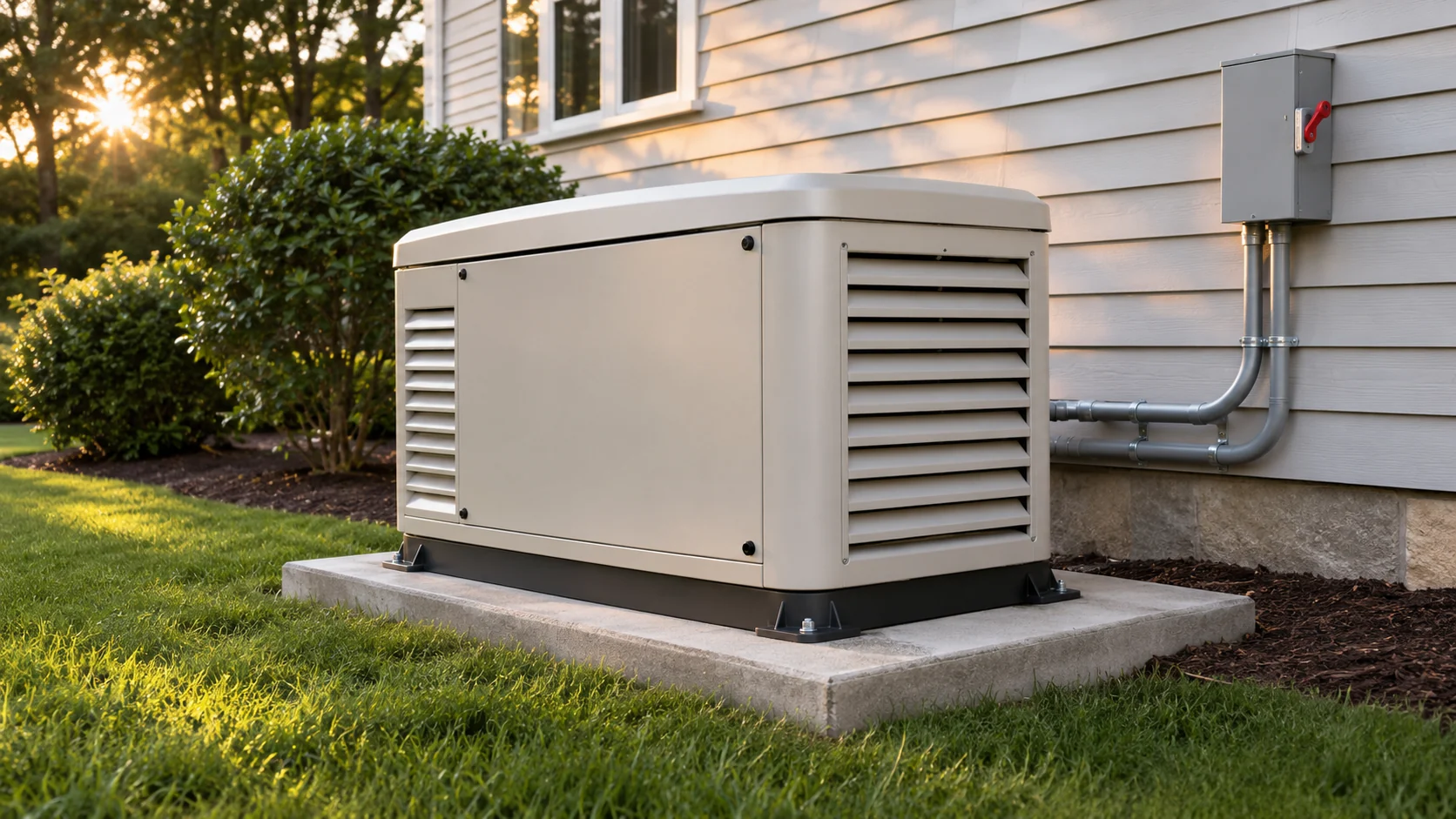
Backup power works best when the decisions are made before an outage. A standby generator project brings together electrical loads, fuel supply, equipment placement, and automatic transfer equipment. Brassbolt helps shape a plan around the parts of your property you want to keep running and the practical limits of the installation.

Start with essential loads and build from there. Refrigeration, selected lighting, sump pumps, heating equipment, and communication devices may be priorities. Large appliances and motors can change sizing requirements significantly. A whole-property goal should still be tested against actual electrical demand rather than assumed from the size of the building.

Discuss Standby Generators
Standby Generators planning and equipment

Backup-power planning

What Goes Into It

A Scope That Fits Your Needs.

Understand the work, the decisions, and the details that shape your project.

Size The System For Real Demand

Generator output, motor starting requirements, transfer equipment, and load controls all work together. A larger generator is not automatically the best solution. The planning process should identify the connected loads, how they may operate together, and whether selected loads need to be managed. Medical or life-safety needs require separate, appropriate contingency planning.

Find A Suitable Place For The Equipment

Placement must follow manufacturer instructions and applicable requirements for openings, ventilation, clearances, fuel, and service access. Noise, drainage, snow accumulation, landscaping, and property constraints also matter. The convenient corner of a yard may not be a suitable location, so confirm the site before committing to a particular unit.

Your Project, Step By Step

From The First Question To A Clear Next Step.

01

Set Your Priorities

Review essential loads, desired comfort, property conditions, and any existing backup equipment.

02

Build The System Plan

Confirm generator sizing, placement, transfer arrangement, fuel requirements, and project responsibilities.

03

Install And Hand Over

Complete the agreed installation and commissioning, then review operation, alerts, and maintenance requirements.

Planning electrical improvements around the property

Think It Through

Coordinate Fuel And Transfer Requirements

Permanent standby systems generally use an approved fuel supply and correctly installed transfer equipment to separate generator power from utility power. Fuel capacity, pressure, routing, permits, and utility coordination can affect the project. Define which trades and approvals are included and who is responsible for each part of the installation.

  • Backup-power planning
  • Transfer equipment
  • Load priorities

Make Your Backup-Power Priorities Clear.

Tell us what needs to stay on and what your property is like.

Before You Begin

Keep Exhaust Away From People

Generator exhaust contains carbon monoxide, a deadly gas you cannot see or smell. Portable generators must be used outdoors, at least 20 feet from doors, windows, and vents, with exhaust directed away from buildings. Never run one in a home or garage, even with doors open. Permanent standby generators must follow their manufacturer’s siting requirements and local rules. Maintain working carbon monoxide alarms.

Your Questions, Answered

A Clearer View Of Standby Generators.

Will A Standby Generator Power The Whole House?

It can, if the system is designed and sized for that goal. Some installations support selected circuits or use load management. The quote should make the supported loads and limits clear.

Does A Standby Generator Start Automatically?

A properly designed automatic system can detect an outage and transfer suitable loads after starting. Exact behavior depends on the equipment and setup. Backup power is not necessarily uninterrupted power.

Do Generators Need Maintenance If Rarely Used?

Yes. Exercise cycles, storage conditions, battery condition, oil, filters, and manufacturer schedules still matter. Maintenance is part of owning the system, even during years with few outages.

Can A Portable Generator Connect Through A Wall Outlet?

No. Never backfeed a building through a household receptacle. Any connection to building wiring requires approved transfer equipment and a professionally designed installation.

Let’s Get To Work

Make Your Next Electrical
Project A Clear One.

Start with a conversation about your property, your priorities, and the right next step.

Talk To BrassboltOr Call 248-206-3787