A generator is one part of a backup-power system. The useful planning starts before choosing a model: what should stay on, where the equipment can go, and what the property needs to support it. These six questions make a good starting point.
What Do You Want To Keep Running?
Begin with a short list of priorities. Refrigeration, selected lights, sump pumps, heating equipment, and communication devices may matter more than running every appliance at once. Then make a second list for comfort or convenience. Separating the two helps you understand what different system options actually deliver. If someone depends on electrically powered medical equipment, create an appropriate backup and emergency plan with the equipment provider and care team. A residential standby generator should not be treated as a guarantee of uninterrupted power.
What Does The Electrical Demand Really Look Like?
Adding up a few appliance labels is not a complete sizing exercise. Motors can need additional power when starting, and several loads may operate at the same time. The generator, transfer equipment, and any load-management controls need to be considered together. An electrical assessment helps identify the demand and the limits of the existing installation. Some systems support selected circuits. Others serve a larger portion of the home while managing particular high-demand loads. Ask for a clear description of what your proposed system is intended to support.

Where Can The Equipment Safely Go?
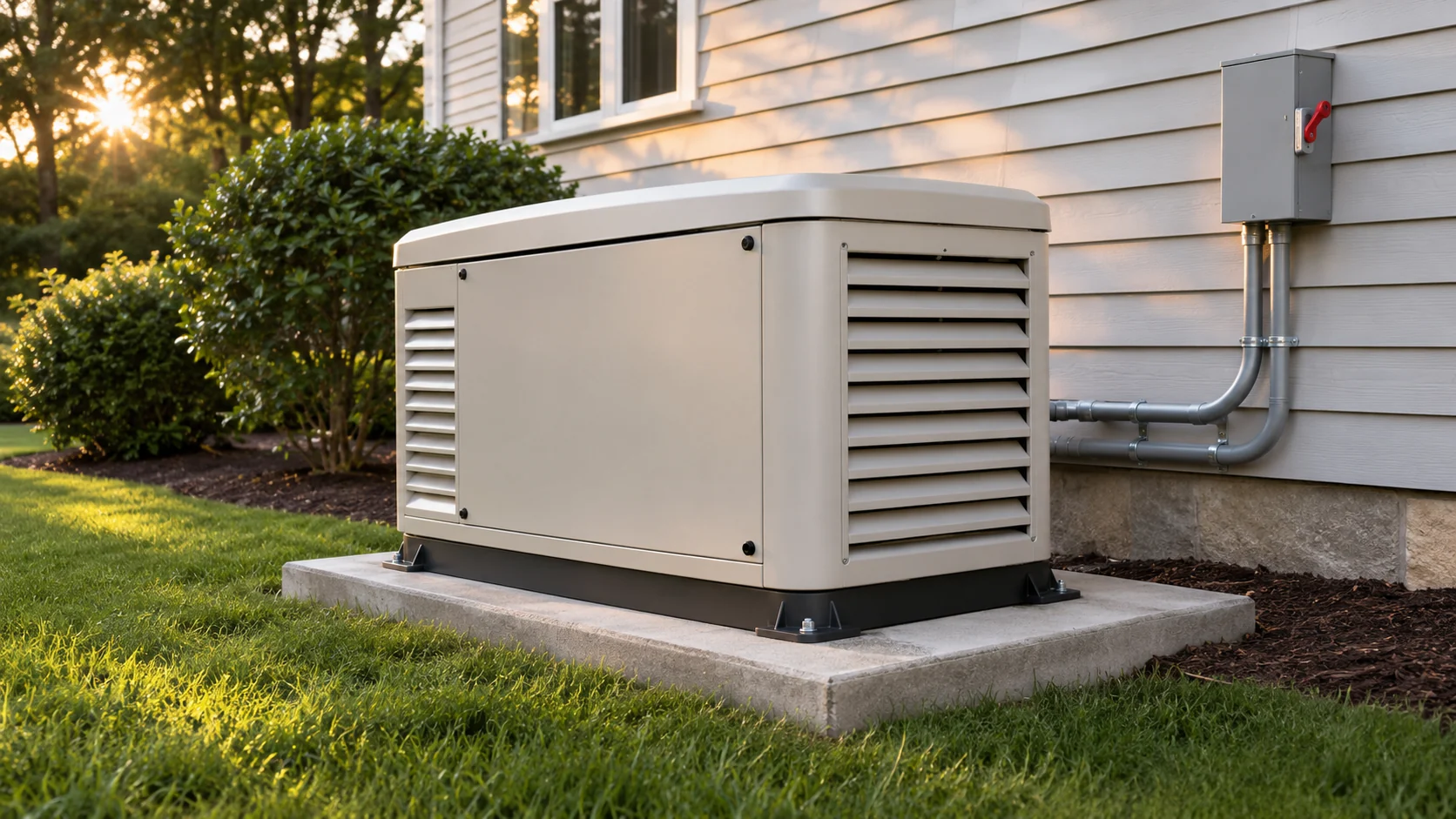
The best-looking spot is not always a compliant or practical location. Permanent standby generators have manufacturer requirements for clearance, openings, ventilation, and service access, alongside applicable local rules. Drainage, snow, landscaping, property constraints, and noise should also be considered. Do not use portable-generator advice as a replacement for a permanent unit’s installation instructions. The equipment type and site need to be evaluated specifically. Confirm a suitable location before committing to a unit or preparing a base.
Is The Fuel Supply Part Of The Plan?
A standby generator needs a suitable, dependable fuel supply. The available fuel type, required capacity or pressure, piping route, and any storage arrangements can influence the installation. A fuel connection that serves another appliance is not automatically adequate for a generator. Discuss which professional handles the fuel work, what approvals are needed, and how coordination fits the project. Fuel and electrical responsibilities should be described clearly so neither becomes an assumption between contractors.
How Will The Home Transfer Between Power Sources?
Correct transfer equipment prevents generator power and utility power from being connected unsafely. The arrangement must be designed for the installation and supported loads. An automatic system can start and transfer after an outage is detected, but that process normally involves an interruption. Ask how the proposed system behaves during a power loss and when utility power returns. Also ask what happens if the generator cannot start or a load exceeds the available capacity. Never connect a portable generator to building wiring through a household receptacle.
Who Will Look After The System?
A standby generator needs attention even in a year with no major outage. Manufacturer schedules may use both calendar intervals and operating hours. Batteries, fluids, filters, exposed components, and exercise settings all deserve appropriate review. Keep the owner’s manual, service records, model information, and alert history together. Understand what routine service includes and whether a proposed test actually checks operation under load. After an extended outage, check whether accumulated hours trigger additional maintenance.
Electrical and generator installation require qualified professional assessment. Never run a portable generator indoors, in a garage, or near doors, windows, or vents. Follow the manufacturer’s instructions and local requirements.