
Electrical & Generator Services
248-206-3787sales@clutchdd.com
Brassbolt Electric & GeneratorGet In Touch
Electrical and property planning

EV Charger Installation

EV Charger Installation

Plan home or workplace EV charging around your vehicle, parking location, available electrical capacity, and daily driving.

Come Home. Plug In. Be Ready.

Choose Charging For Your Daily Needs

A useful EV charging setup starts with your routine. How far do you drive? Where do you park? How long is the vehicle normally plugged in? Brassbolt helps translate those answers into a practical installation plan, with the electrical capacity, equipment requirements, and cable route considered before the charger goes on the wall.

The highest advertised charging rate is not always the most useful target. The vehicle’s onboard charger, your available supply, equipment limits, and time spent parked determine the result. A well-chosen Level 2 installation can support many daily routines without sizing solely for an occasional long journey.

Discuss EV Charger Installation
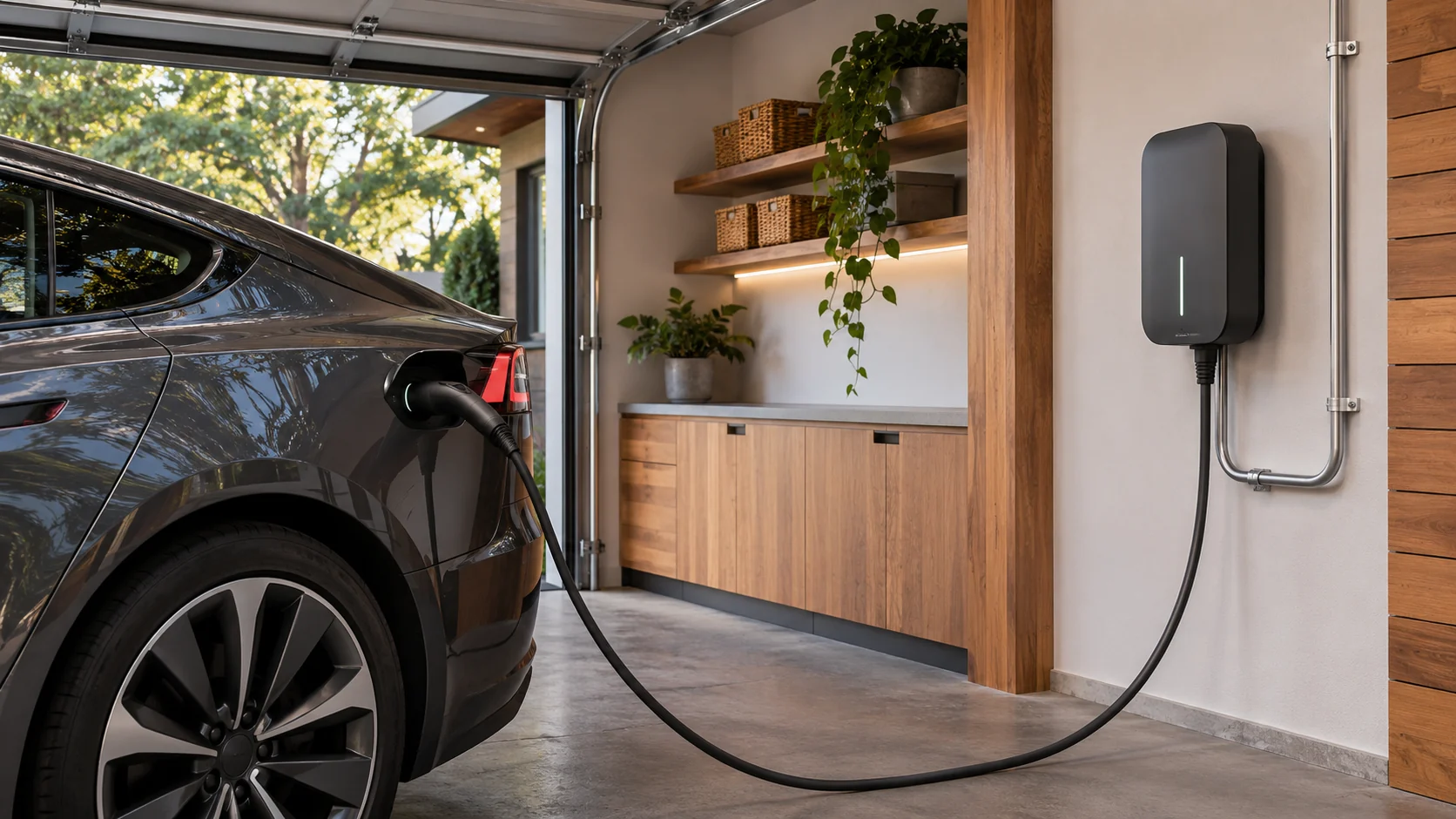
EV Charger Installation planning and equipment

Home charging

What Goes Into It

A Scope That Fits Your Needs.

Understand the work, the decisions, and the details that shape your project.

Check Capacity Before Buying Equipment

An electrical review should consider existing service, calculated demand, panel space, and the charging load. Some properties can accommodate charging within their current setup. Others may need approved load-management equipment, a different charging rate, circuit changes, or a service upgrade. The assessment should explain the options and their trade-offs.

Plan The Route From Panel To Parking

Distance, walls, exterior exposure, trenching, and the chosen mounting location affect the work. The charging cable should comfortably reach the vehicle without creating a trip hazard or crossing an unsuitable area. For shared parking or a managed property, confirm ownership approval and any access requirements before installation is planned.

Your Project, Step By Step

From The First Question To A Clear Next Step.

01

Share The Essentials

Provide the vehicle details, parking location, charger specifications if selected, and future charging plans.

02

Confirm The Design

Review electrical capacity, circuit protection, placement, installation route, and any required approvals.

03

Install And Check

Complete the agreed installation, verify operation, and explain the equipment’s normal settings and limits.

Planning electrical improvements around the property

Think It Through

Select Compatible, Suitable Equipment

Confirm the vehicle connector, manufacturer’s installation instructions, environmental rating, and any app or network requirements. Hardwired and receptacle-connected installations have different considerations and must follow applicable rules. If you want scheduling, access control, or energy monitoring, decide early so those needs can inform equipment selection rather than become an afterthought.

  • Home charging
  • Workplace charging
  • Capacity review

Start With The Vehicle And The Parking Spot.

We can help you make the right electrical decisions before you order a charger.

Before You Begin

Charging Equipment Needs A Proper Installation

Stop using damaged cables, overheated plugs, or equipment showing signs of arcing. Follow the charger and vehicle manufacturers’ instructions. Never improvise an extension, modify a connector, or bypass required protection to increase charging speed.

Your Questions, Answered

A Clearer View Of EV Charger Installation.

Do I Need To Upgrade My Panel For An EV Charger?

Not always. A load calculation and review of the existing installation determine the options. Load management may be suitable in some cases, subject to equipment requirements and applicable rules.

How Quickly Will My Car Charge?

Charging speed depends on the vehicle, power available to the charger, battery conditions, and other factors. Charger nameplate power alone does not guarantee the rate the vehicle will accept.

Can I Use An Existing Dryer Outlet?

Do not assume it is suitable. Circuit configuration, protection, receptacle condition, location, and manufacturer requirements need review. Avoid extension cords or adapters that the charging equipment manufacturer does not permit.

Should I Plan For A Second EV Now?

If another vehicle is likely, mention it during planning. Future routing, conduit, capacity, or compatible load-sharing equipment may be worth considering before finishes are complete.

Let’s Get To Work

Make Your Next Electrical
Project A Clear One.

Start with a conversation about your property, your priorities, and the right next step.

Talk To BrassboltOr Call 248-206-3787